People pause at the facade but do not always enter
Storefront dwell and actual entry often lack a quantitative bridge.
SuKeYun brings storefront dwell, store entry, in-store zone dwell, peak periods, and staffing rhythm into one view so retail networks can optimize facade, merchandising, and service motions more systematically.
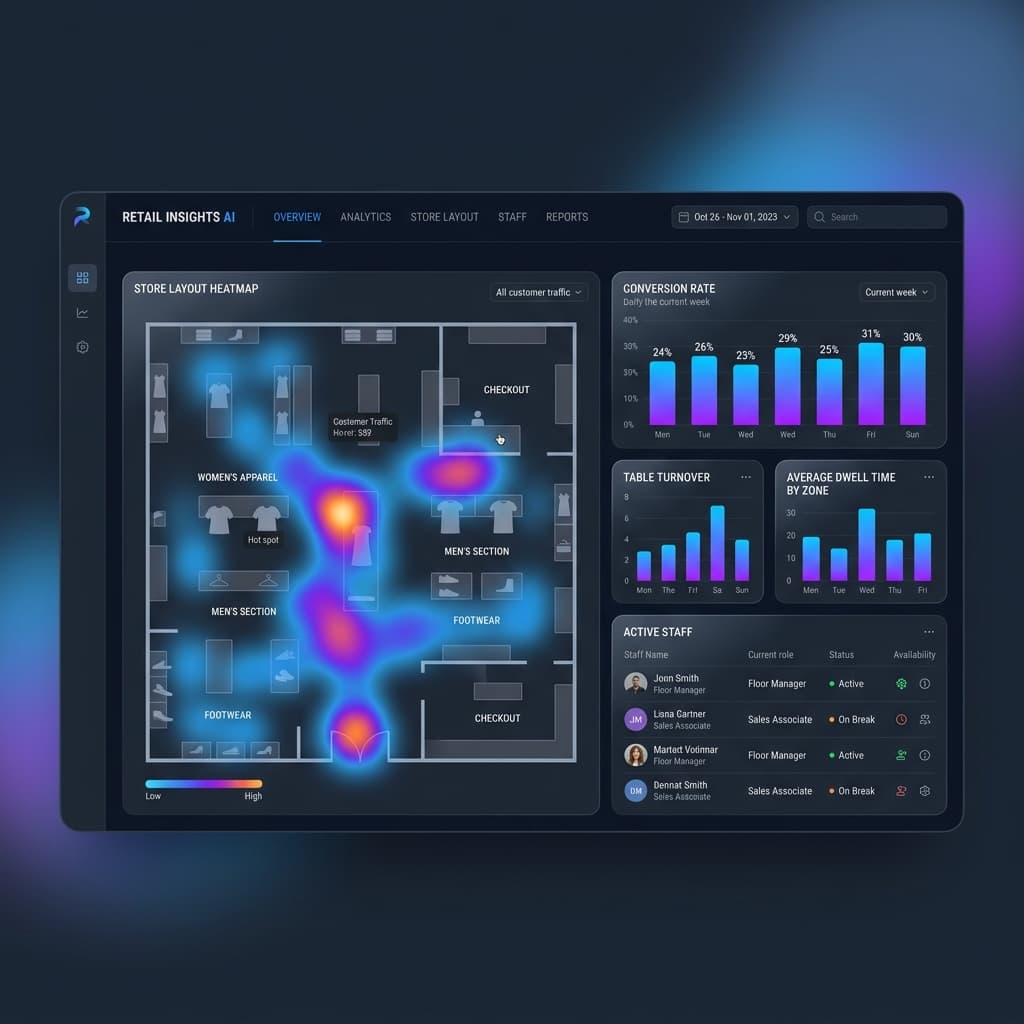
Retail teams care most about storefront attraction, entry efficiency, and peak-period staffing.
If you can already count entry traffic but still cannot explain why people enter or fail to convert, this is the right upgrade path.
Retail teams need a full conversion chain from storefront to in-store zones to peak service quality.
Storefront dwell and actual entry often lack a quantitative bridge.
Teams need finer-grained insight into which zones attract attention and which zones are passed through.
Scheduling needs to align more closely with real arrival and dwell patterns.
Retail needs repeatable high-frequency actions more than heavyweight all-in-one deployments.
Track the relationship between pass-by, dwell, and entry to judge facade, window, and promo material performance.
Identify high- and low-dwell zones to support product and display changes.
Align staffing with real arrival and dwell rhythm.
Connect visit behavior to member outreach and follow-up action.
Bring repair, hygiene, and operating feedback into one closed-loop store service flow.
Retail analytics works best when member operations and in-store service workflows are part of the same story instead of isolated tools.
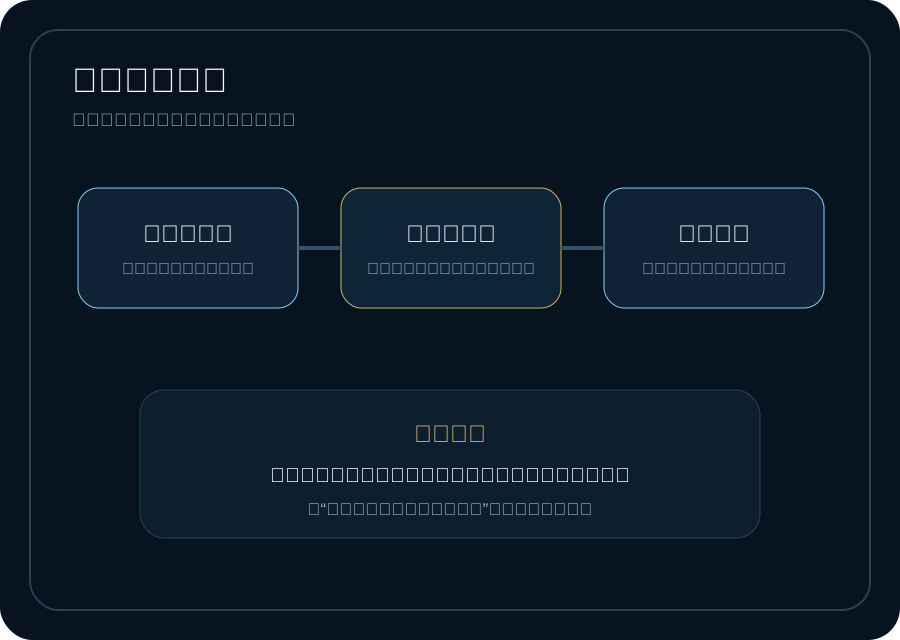
Connect on-site arrival, dwell, and participation with coupons, loyalty points, and follow-up content so one visit can lead to another operating action.
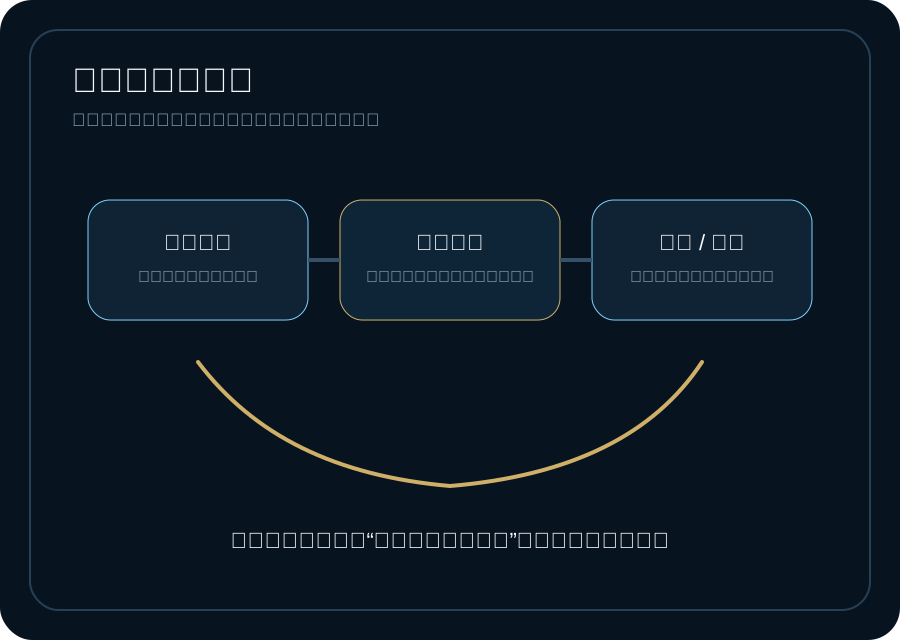
Connect queues, congestion, unusual lingering, and field work orders so property and security teams can react earlier during peaks.
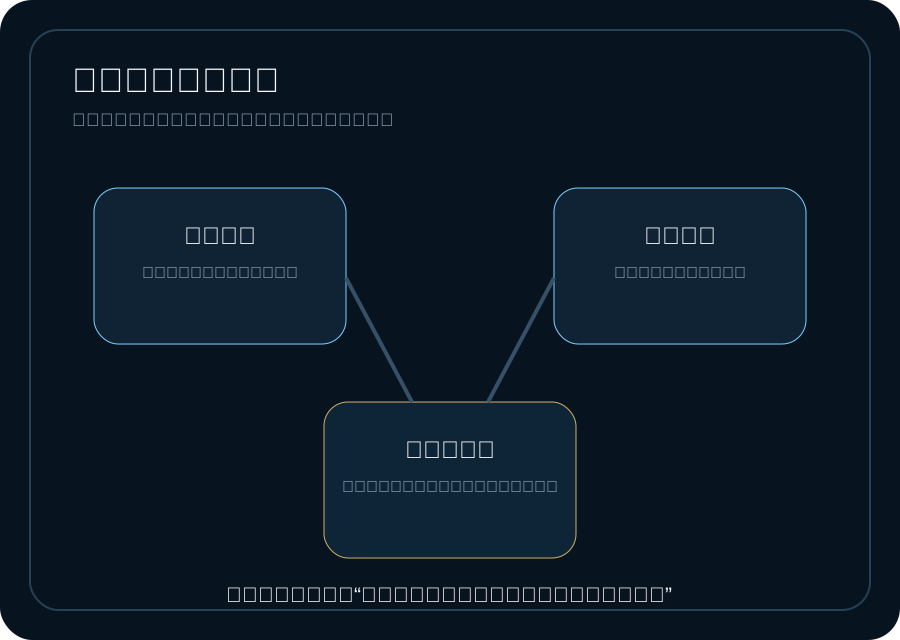
Bring repairs, complaints, hygiene, fit-out, and opening readiness requests into one coordination view for leasing, operations, and property teams.
A strong system helps store teams make better small adjustments every week.
Regional managers moved beyond raw traffic and began using storefront dwell and entry efficiency.
The chain began connecting outside traffic with peak-period service quality in one operating view.
Adding these Q&As also strengthens the page as an SEO entry point for retail search traffic.
Storefront dwell helps teams judge facade appeal, window performance, campaign materials, and whether people stop but do not enter.
Yes. Arrival, dwell, campaign participation, and follow-up coupon or content actions can be placed on the same operating chain.
No. Real arrival rhythm, dwell duration, and peak structure help retail teams align staffing and service to what is happening on site.
Both are possible, but a network benefits most because one method can be repeated across multiple stores.