Integrations

Connect what already exists first, then standardize the operating model

Mature projects rarely want to rebuild infrastructure. SuKeYun is designed to coexist with current video, loyalty, parking, property, security, and BI systems so the action layer can be added first and standardized later.
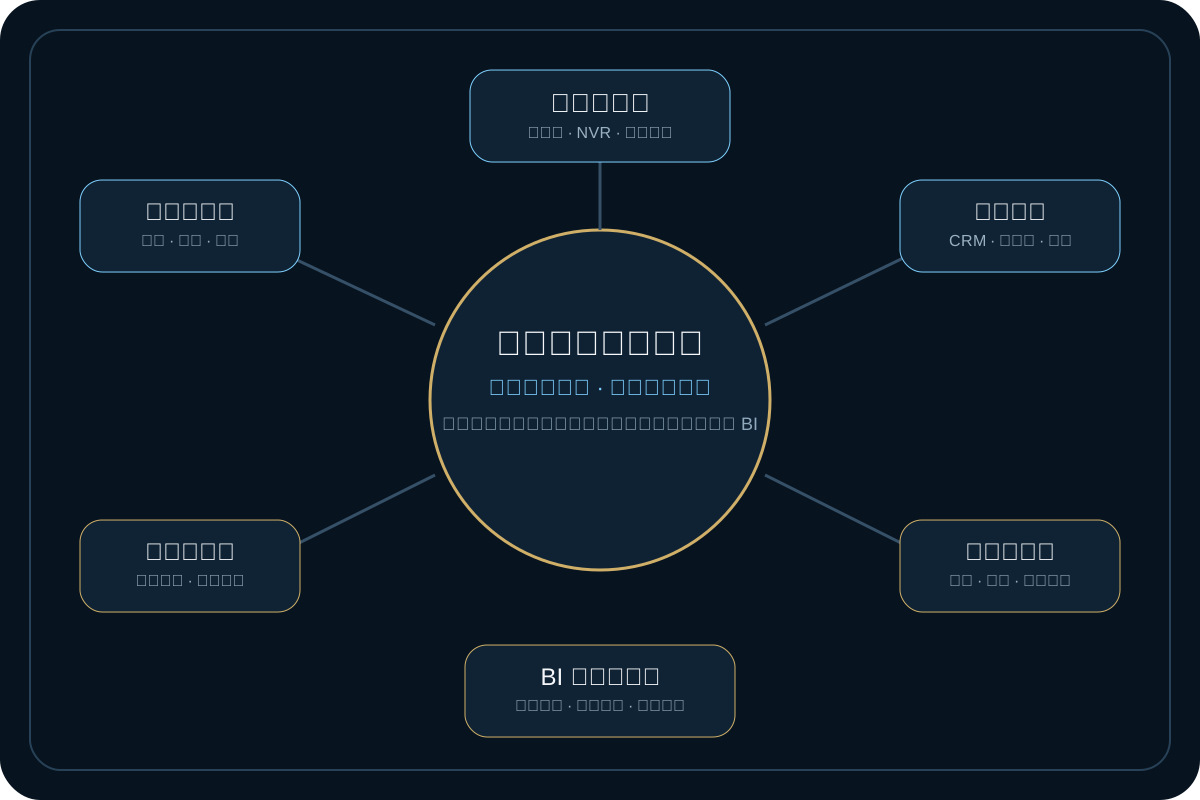
Coexist with current systemsAPI / WebhookPrivate deployment readyScales across sites
Video firstas the core input layer
Business systemsconnected by scenario
Shared data modelbuilt gradually
Integration illustration

The starting point is integration with what you already run, not replacement.

Common inputs

Most projects begin with video plus one or two business systems

The usual first step is existing video plus the operational system most tied to the first scenario, such as loyalty, parking, or work orders.

Videosecurity / surveillance
CRMloyalty and outreach
Propertypatrols and work orders
System landscape

Five common system groups can all coexist as inputs

We usually audit the current estate first, then decide which data should enter the operating view.

Video & security

  • Cameras
  • Video platforms
  • NVR / RTSP
  • Edge devices

Loyalty & marketing

  • CRM
  • CDP
  • Mini-program
  • SMS / WeCom

Parking & arrival

  • Parking platforms
  • License plate passes
  • Payment systems

Property & security ops

  • Patrol systems
  • Inspection systems
  • Work order tools
  • Alert systems
  • Merchant issue systems

Business & analytics

  • POS / ERP
  • BI dashboards
  • Tenant collaboration tools
  • Billing follow-up tools
Existing system cooperation

Four mature business systems can now be presented as one operating matrix

These systems do not have to be marketed as disconnected tools anymore. They can sit beside venue analytics as one clearer operating stack.
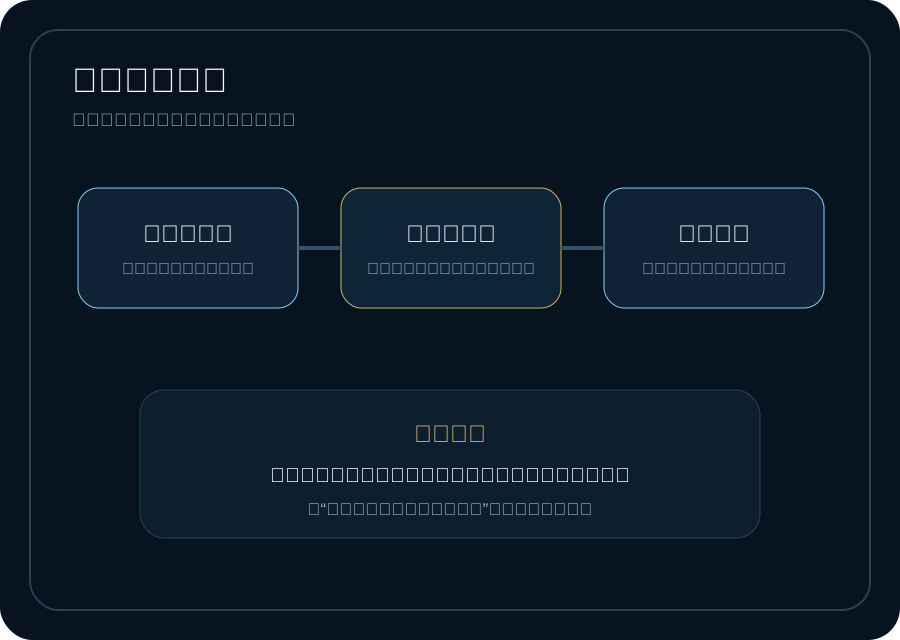
Member system / mini-program linkage

Member system / mini-program linkage

Connect on-site arrival, dwell, and participation with coupons, loyalty points, and follow-up content so one visit can lead to another operating action.

Member activationCoupon deliveryMini-program outreachCampaign invitations
See integrations
Rent collection / billing follow-up

Rent collection / billing follow-up

Place rent, property fee, contract milestones, and tenant operating heat in one view so mall teams can prioritize billing follow-up and merchant communication.
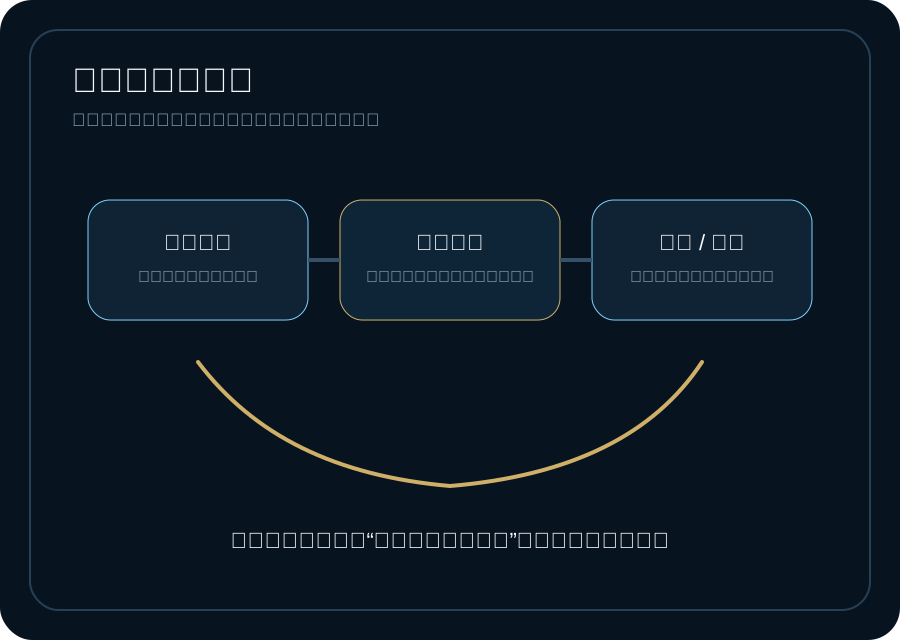
Rent follow-upProperty fee syncContract milestonesOperating alerts
See solutions
Patrol / inspection / work order linkage

Patrol / inspection / work order linkage

Connect queues, congestion, unusual lingering, and field work orders so property and security teams can react earlier during peaks.
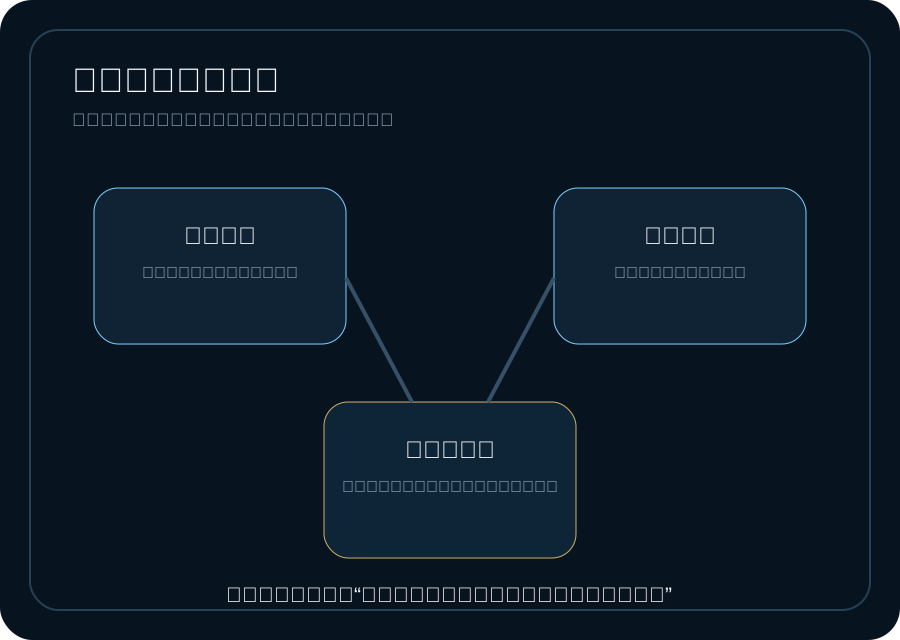
Patrol linkageWork order loopPeak dispatchingSecurity coordination
See scenarios
Merchant issue reporting hub

Merchant issue reporting hub

Bring repairs, complaints, hygiene, fit-out, and opening readiness requests into one coordination view for leasing, operations, and property teams.

Issue reportingClosed-loop handlingCross-team workflowsMerchant satisfaction
Book a full demo
Included in the stack

The website and admin now manage these capability narratives together

Member systemCRM / CDP / mini-program
Billing follow-upRent / fee / contract milestones
Patrol systemPatrol / inspection / work orders
Issue reportingMerchant service workflows
ParkingArrival coordination
BI / ERPBusiness review
Implementation principle

We care more about decision quality and delivery risk than interface count

An integration only matters if it helps the business team act faster, not if it simply connects more systems. SuKeYun usually identifies one critical data chain first and expands by scenario afterward.

Reuse existing video assets firstAvoid heavyweight integration just for demosGet the business team using it before widening scopeEvery write path should have clear boundaries and auditability
Security boundaries

The more systems involved, the clearer access boundaries need to be

The platform uses permissions, auditability, session-based authentication, and upload validation to keep administrative writes controlled. The entry layer can also be protected with Nginx Basic Auth, while private proposal pages keep separate password protection and `noindex` behavior.

Nginx Basic Auth entry layerSession-based admin authenticationUpload MIME and size validationSeparate password handling for private pages

Layered access control

The entry path can be protected by Nginx Basic Auth while the admin console itself continues to use HttpOnly session cookies.

Controlled writes

Pages, media, and leads all go through server-side APIs rather than direct file writes from the client.

FAQ

The four questions teams usually ask about integration and security

These questions often decide whether a project starts with coexistence mode or deeper system integration.

Do we need many interfaces to connect loyalty, mini-program, and traffic systems?

Not necessarily. Most projects begin with sidecar access to video plus one or two business systems that matter most for the first business scenario.

How can billing, patrol, and merchant issue systems be linked together?

They usually work best as priority and action layers. Rent follow-up can be scored with tenant operating heat, unusual lingering can trigger patrol or work orders, and merchant issue reports can be linked to mall-side handling status.

How is admin security handled?

The application layer uses session-based authentication and controlled write APIs, while the entry layer can also be protected with Nginx Basic Auth. Upload validation, origin validation, private-page passwords, and noindex behavior further reduce exposure.

Is a full rebuild recommended from day one?

Usually no. Mature projects are better served by a small pilot that coexists with current systems and expands by scenario after the first result is proven.

Next step

Map your current systems first, then decide where integration has the highest value

If you already run video, loyalty, parking, or property systems, we can identify the best coexistence path first.