Totals without spatial behavior
Teams cannot judge pass-by, dwell, entry, and return movement.
SuKeYun helps mature commercial venues extend traffic analytics into campaign review, route optimization, storefront dwell, member activation, and field coordination so traffic data actually supports business decisions.
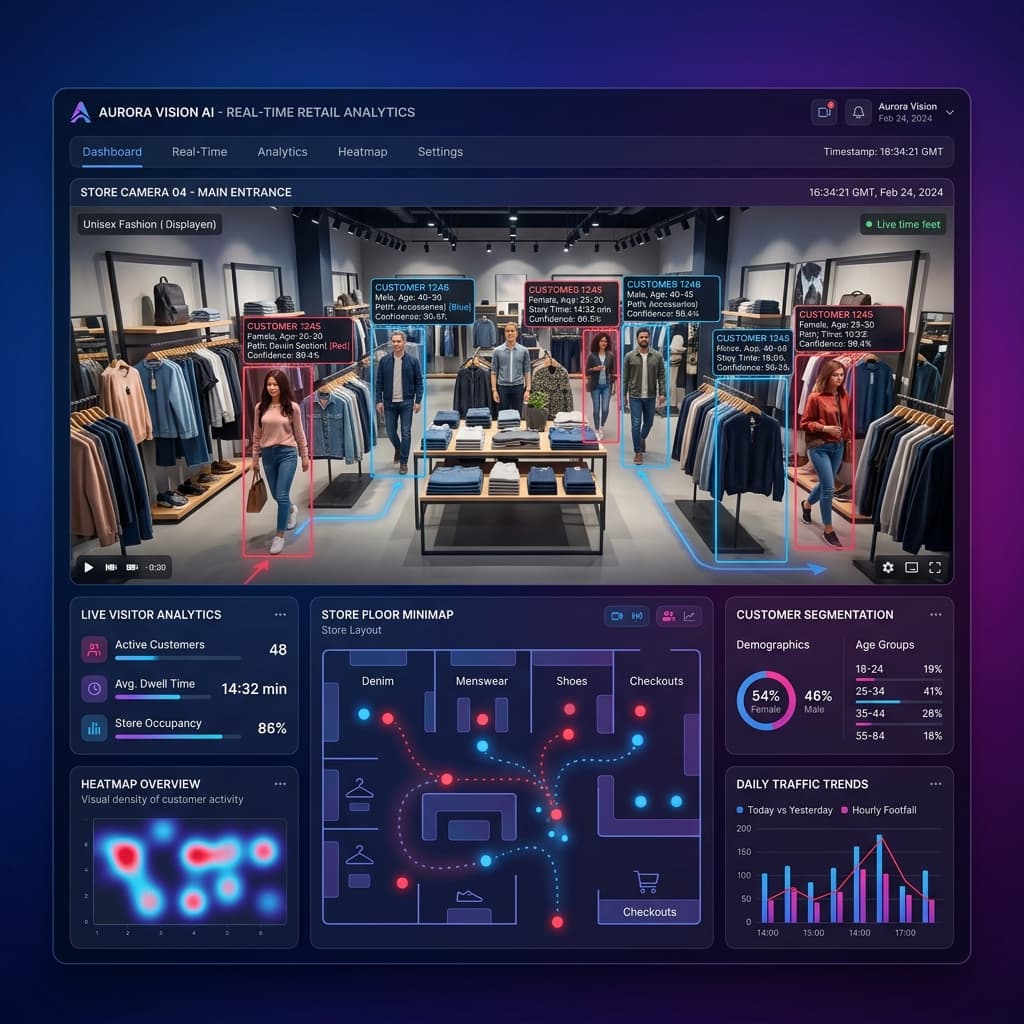
Upgrade a traffic tool into an operating action platform.
If you can already see totals but cannot guide action, this is the kind of upgrade path to consider.
The more mature the project, the more the real problem becomes spatial behavior, action loops, and cross-team collaboration.
Teams cannot judge pass-by, dwell, entry, and return movement.
It is hard to support campaign review, layout adjustment, or site coordination.
Planning, operations, property, and IT struggle to work from one truth.
Going from counting to action usually requires these capabilities.
See how customers actually stop and move through space.
Explain event value and spillover impact clearly.
Connect on-site behavior to follow-up operating action.
Place fee collection, tenant milestones, and on-site operating heat in one judgement layer.
Translate queues, congestion, and unusual lingering into field response.
Connect repair, complaint, and hygiene issues to one closed-loop service process.
If your project already has loyalty, billing, patrol, or merchant service tools, the best move is usually coexistence and linkage rather than another isolated reporting stack.
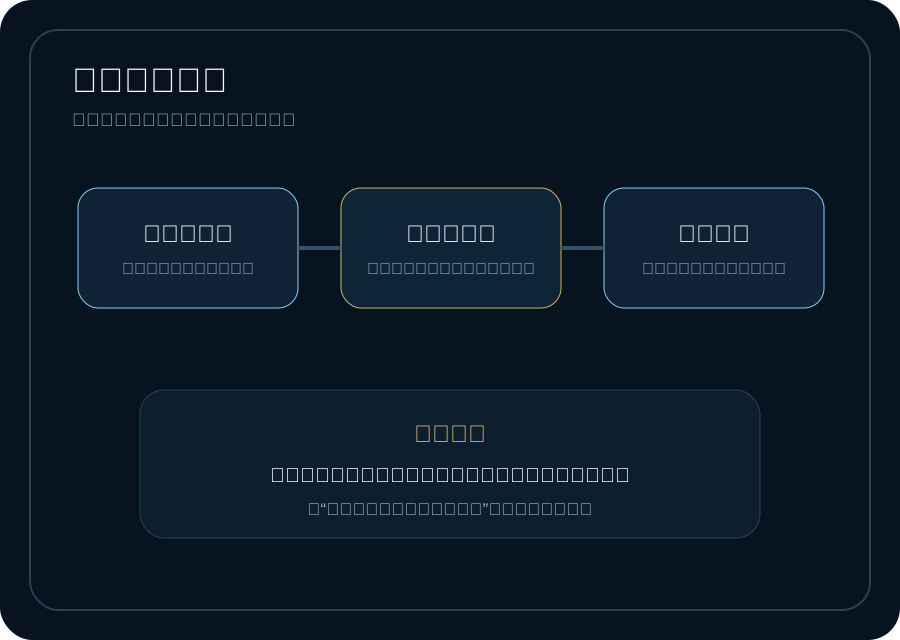
Connect on-site arrival, dwell, and participation with coupons, loyalty points, and follow-up content so one visit can lead to another operating action.

Place rent, property fee, contract milestones, and tenant operating heat in one view so mall teams can prioritize billing follow-up and merchant communication.
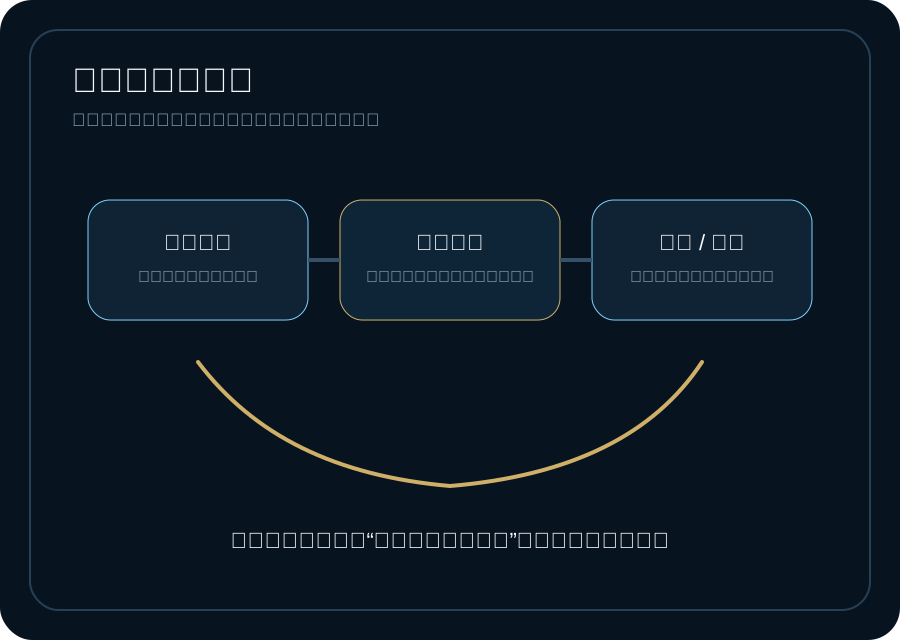
Connect queues, congestion, unusual lingering, and field work orders so property and security teams can react earlier during peaks.
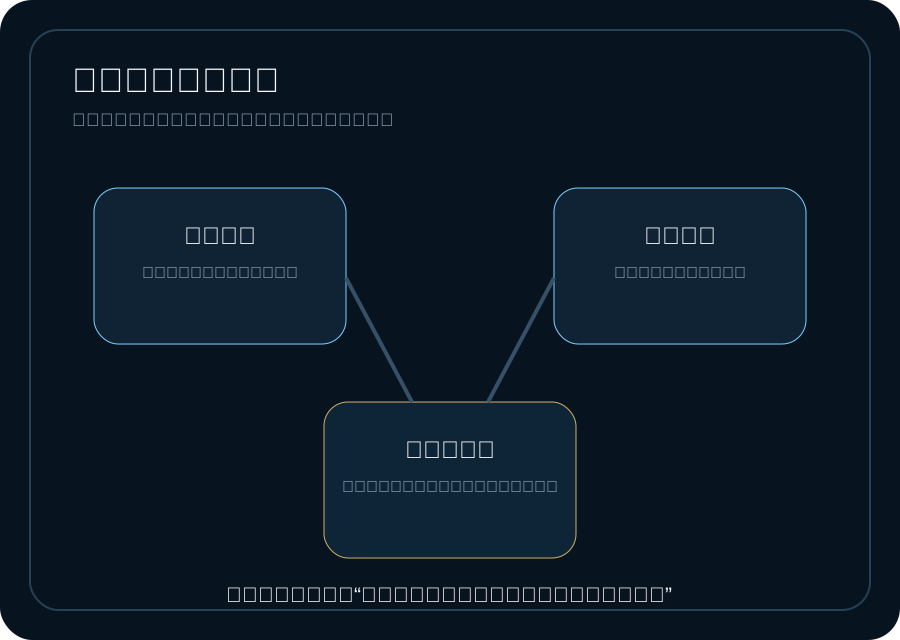
Bring repairs, complaints, hygiene, fit-out, and opening readiness requests into one coordination view for leasing, operations, and property teams.
It should make campaign, space, and field decisions more grounded.
The story moves from “the event felt busy” to “the event drove these outcomes.”
Stores start making more repeatable actions based on dwell and conversion.
These Q&As help both search engines and buyers understand the real scope of the solution.
Because operating action depends on pass-by, dwell, entry, return movement, peak structure, and field linkage rather than a single total count. Those behaviors are what help campaigns, layouts, loyalty, and on-site response improve.
Yes. SuKeYun is best used as an operating layer that connects traffic with loyalty outreach, parking-to-visit analysis, billing priority, and patrol workflows.
Both. Malls usually focus on campaigns, floor migration, loyalty, and merchant services, while retail networks focus more on storefront dwell, entry conversion, staffing, and member activation.
Usually not. The first release can start with current video plus one or two business integrations rather than replacing the live estate.